Valorant Phoenix gameplay from Rawzu shows how 400 DPI and fast movement win ranked duels
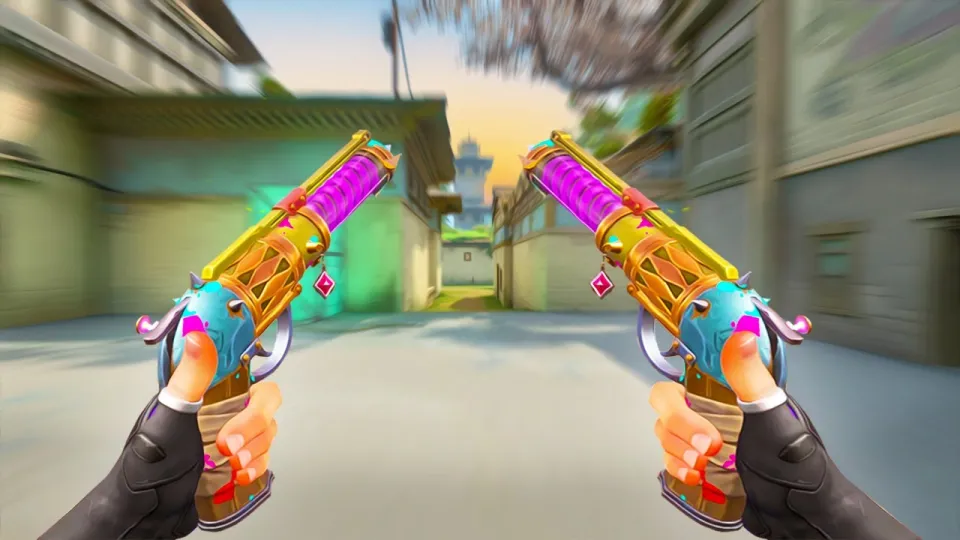
Video: 20 Minutes of Satisfying Valorant Clips
Want articles like this for your own video to promote it on YouTube and Google? Order them through the Telegram bot @sat_sit_bot. Articles with your video embedded are written and posted by the bot itself — on popular topical sites (no ads). Free trial — 50 articles.
Valorant is a 5v5 tactical shooter where agent abilities and precise gunplay decide rounds, and Phoenix remains one of the most aggressive duelists for players who want to take fights first. The Rawzu compilation "20 Minutes of Satisfying Valorant Clips" shows exactly how that aggression looks at a high level, with fast movement, clean one-taps, and constant pressure. If you want to see how a Phoenix main turns ranked lobbies into highlight reels, you can watch Rawzu live daily at kick.com/rawzu and study the same settings he uses.
What makes Phoenix a strong pick in Valorant
Phoenix is an offensive Valorant agent who specializes in hunting down enemies while crippling their ability to fire back. His kit rewards players who push first and trust their aim. Blaze creates a wall that blocks vision and deals damage, letting Phoenix sneak past defended open areas. Curveball blinds enemies even when they are hiding behind corners. Hot Hands and the Run it Back ultimate make Phoenix a very durable duelist, so aggressive players get extra lives and healing without relying on a support agent. In the Rawzu clips, this translates into constant entry frags, wall-flashes into site, and ultimates used to bait out enemy utility before re-entering the fight.
Rawzu settings and peripherals for Valorant
Rawzu uses a setup built for consistency and fast target switching. His sensitivity is 400 DPI with 0.625 in-game, which is a low-sens style that favors precise crosshair placement over flick speed. He plays on 1440x1080 stretched resolution, a common choice for players who want wider enemy models without losing too much vertical clarity. His crosshair is set to 1-6-2-2, a compact static crosshair that stays readable on bright Phoenix abilities. For hardware, he uses a Lamzu Maya X mouse, a Zowie H-SR-SE 2 Blue mousepad, and a Zowie XL2566K 360Hz monitor. The 360Hz panel matters in Valorant because it reduces input lag and makes tracking fast-strafing enemies smoother, which is visible in the clip where he one-taps a Clove and the comment section calls it the most satisfying moment in the video.
How to play Phoenix like the Rawzu clips
Playing Phoenix at a high level is about timing and confidence, not just aim. Here is a practical sequence you can copy from the compilation:
- Start rounds by taking space with Blaze. Place the wall to cut off common angles, then walk through it to force enemies to reposition.
- Use Curveball before peeking. Flash around corners so enemies cannot hide, then swing immediately while they are blinded.
- Save Hot Hands for post-plant or for healing after a duel. The fire zone denies defuse attempts and keeps you alive between fights.
- Pop Run it Back when you have information but no clear exit. Use the ultimate to scout, bait utility, and then re-enter with full health.
- Keep your crosshair at head level and strafe between shots. Rawzu's movement speed is a common comment topic, and it comes from constant counter-strafing rather than wide swings.
These steps work on maps like Lotus and Icebox, where Phoenix walls can block long sightlines and force close-range duels. The clip at 7:20 shows a clean one-tap on Clove after a wall-flash, and the 3:30 round shows a full Vandal plus abilities and shield on round two, which means the economy was managed perfectly to afford that loadout.
Common questions from the Rawzu comment section
The comment section under "20 Minutes of Satisfying Valorant Clips" reveals what viewers actually want to know. Many ask about DPI and sensitivity, which is why the settings section above lists exact numbers. Others joke that enemies in their own games shoot back and have game sense, which is a real reminder that highlight clips are curated from many matches. A recurring theme is teammate support: viewers notice that Rawzu's teammates give positive commentary and callouts, and that environment makes aggressive plays easier to attempt. There is also praise for the gunplay philosophy of treating the Vandal as a precision tool rather than spraying. Finally, some comments mention the "dog you stole my ace" moment, which shows that even in a highlight reel, teamwork and humor matter as much as the frags.
Why satisfying Valorant clips help your own gameplay
Watching satisfying Valorant clips is not just entertainment; it is a form of pattern recognition training. When you see a Phoenix main consistently wall-flash and one-tap, your brain starts to associate certain angles with certain responses. The Rawzu compilation is useful because it repeats the same agent and the same aggressive style across many rounds, so you can isolate what works. Pay attention to how he uses Blaze to split sites, how he saves Hot Hands for healing, and how he times Run it Back to bait out Operator shots. You do not need the same 360Hz monitor to improve, but you do need the same decision-making habits.
Useful links from the video
Rawzu shares several links in the description of the compilation. You can watch him live daily on Kick at kick.com/rawzu. His original music is available on Spotify at open.spotify.com/artist/6DbATPR1PTNMx7U918bg1Q. There is also a Discord community at discord.gg/axnFwyvxp3 where viewers discuss clips and settings. For business inquiries, the contact email listed is rawzubusiness@gmail.com.
Final thoughts on Rawzu's Phoenix gameplay
The "20 Minutes of Satisfying Valorant Clips" compilation from Rawzu is a solid study in aggressive Phoenix play, from wall-flashes to one-taps and ultimate baits. The exact settings, 400 DPI, 0.625 sens, 1440x1080 stretched, and crosshair 1-6-2-2, give you a concrete starting point if you want to replicate the feel. The commentary from teammates and the funny moments, like the ace steal, show that high-level Valorant is still a team game. If you want more of this style, watch Rawzu live on kick.com/rawzu and follow the channel Rawzu for future clip compilations. Use the tips above in your next ranked match and see how much faster your Phoenix rounds feel.
Key takeaways
- Rawzu runs 400 DPI with 0.625 in-game sensitivity and 1440x1080 stretched resolution.
- His crosshair code is 1-6-2-2, paired with a Lamzu Maya X mouse and Zowie XL2566K 360Hz monitor.
- Phoenix's Blaze wall blocks vision and deals damage, Curveball blinds around corners, and Run it Back gives a second life.
- The 20-minute Rawzu clip compilation highlights one-taps, ace steals, and supportive teammate commentary.
- Rawzu streams daily on Kick and releases original music on Spotify.
Source: 20 Minutes of Satisfying Valorant Clips · Markdown version
Questions & answers
What sensitivity and DPI does Rawzu use in Valorant?
Rawzu uses 400 DPI with 0.625 in-game sensitivity. He also plays on 1440x1080 stretched resolution and uses crosshair code 1-6-2-2. This low-sensitivity setup favors precise crosshair placement and consistent one-taps over fast flicks.
How does Phoenix's Run it Back ultimate work in the Rawzu clips?
Run it Back lets Phoenix mark his location, and if he dies during the ultimate he respawns at the mark with full health. Rawzu uses it to scout, bait enemy utility, and re-enter fights. It makes Phoenix a durable duelist for aggressive entries.
Why do viewers say enemies in their own games shoot back?
That comment is a joke about how highlight clips are curated from many matches, so they only show the best moments. In a real ranked game, enemies have game sense and will trade or retreat. The clips are meant for entertainment and pattern recognition, not as a promise that every round plays out the same way.
What peripherals does Rawzu use for Valorant?
Rawzu uses a Lamzu Maya X mouse, a Zowie H-SR-SE 2 Blue mousepad, and a Zowie XL2566K 360Hz monitor. The 360Hz monitor helps with smooth tracking and low input lag. You do not need the same hardware to improve, but it matches his fast movement style.